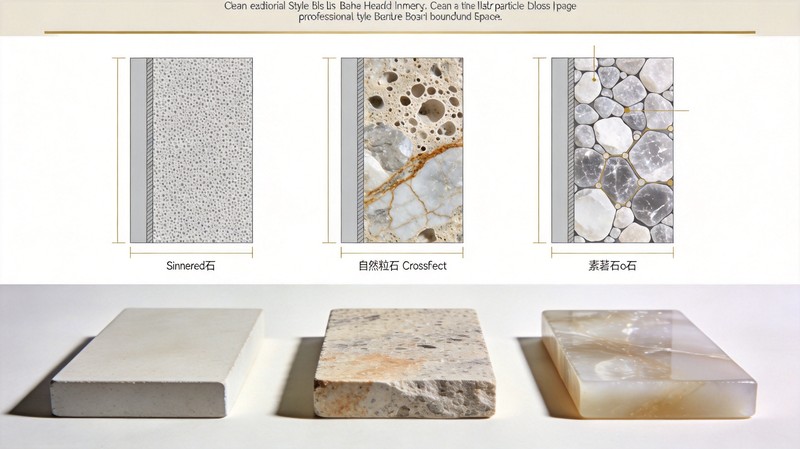
The laundry room is one of the most chemically intense and moisture-heavy spaces in any building. Bleach, detergent, fabric softener, dye, and standing water attack surfaces daily. Yet for decades, this hardworking space has been finished with materials that cannot handle the punishment—laminate countertops that bubble, wood cabinets that swell, and painted walls that peel. Sintered stone changes the equation entirely.
Why Laundry Rooms Destroy Conventional Materials
Understanding why traditional materials fail in laundry rooms helps explain why sintered stone succeeds. The laundry environment combines three destructive forces that rarely converge elsewhere in a building: sustained moisture, aggressive chemicals, and heavy mechanical loads.
Moisture Assault
Washing machines, utility sinks, and drying processes create persistent humidity and occasional flooding. A leaking hose connection or overflow event can dump 20-40 gallons of water onto the floor in minutes. Porous materials like wood and laminate absorb this water, swelling and delaminating beyond repair. Even small amounts of persistent moisture behind countertops and under cabinets foster mold growth that compromises air quality and structural integrity.
Chemical Exposure
Laundry chemicals are formulated to break down organic compounds—exactly the kind of compounds found in many surface finishes. Chlorine bleach is an aggressive oxidizer that strips color from sealed surfaces and degrades resin binders. Concentrated detergents contain surfactants that penetrate protective coatings. Fabric dyes can permanently stain porous surfaces. The cumulative effect of daily chemical exposure degrades most surface materials within a few years.
Mechanical Stress
Washing machines impose dynamic loads through vibration and spin cycles. A front-loading washer can generate 1,200+ RPM spin cycles that transfer vibration to surrounding surfaces. Heavy laundry baskets, detergent bottles, and ironing equipment add point loads and impact forces. Over time, these stresses crack grout, loosen tiles, and create gaps where moisture penetrates to the substrate.
Sintered Stone: Engineered for the Laundry Environment
Sintered stone's material properties address every one of these failure mechanisms simultaneously. Its non-porous surface (absorption rate below 0.02%) makes water damage impossible—water simply cannot enter the material. Its chemical inertness means bleach, detergent, and fabric dyes cannot stain, etch, or degrade the surface. And its molecular density (compressed under 15,000+ tons and fired above 1200°C) provides the structural rigidity to handle mechanical loads without cracking.
| Laundry Room Hazard | Sintered Stone | Laminate | Natural Stone | Wood |
|---|---|---|---|---|
| Water Exposure | Completely resistant | Delaminates | Absorbs, stains | Warps, rots |
| Bleach Spills | No effect | Discolors | May damage sealer | Discolors |
| Dye Stains | Cannot penetrate | Permanent stain | Stains if unsealed | Permanent stain |
| Heat from Iron | No effect (1200°C+) | Scorches | Generally OK | Scorches |
| Vibration | Does not crack | Can loosen | Grout may crack | Joints loosen |
| Maintenance | None required | Replace when damaged | Seal every 1-3 years | Refinish annually |
Countertop Applications
Folding and Sorting Counters
The laundry countertop is the room's workhorse surface—used for folding clothes, sorting stains, measuring detergent, and setting down items between washer and dryer. Sintered stone countertops provide a hard, flat, non-porous surface that makes every one of these tasks easier. Clothing slides smoothly across the polished or honed surface without snagging. Spills from detergent bottles, bleach, or fabric softener wipe away without trace. And the surface never develops the hazing, staining, or bubbling that plagues laminate in wet environments.
For the countertop specifications, 12mm or 20mm sintered stone with a simple eased edge provides the right balance of durability and aesthetics for utility applications. The material's ability to span cabinet widths up to 900mm without additional support makes it practical for standard laundry cabinetry.
Over-Washer and Dryer Countertops
A growing design trend places a continuous countertop across the top of front-loading washer-dryer pairs, creating a seamless folding surface at a comfortable working height. Sintered stone is ideal for this application because it can span the 60-70 inch width of a side-by-side pair without visible support, creating a clean, integrated look. The material's rigidity prevents the sagging that occurs with laminate spanning the same distance.
Important: This installation requires careful measurement and support planning, as the countertop must be removable for appliance servicing. Removable support brackets or a freestanding installation method allows the stone to be lifted off without disturbing the appliances beneath.
Flooring Solutions
Laundry room flooring must be waterproof, chemical-resistant, and comfortable to stand on during extended folding sessions. Sintered stone meets the first two requirements completely and can be supplemented with anti-fatigue mats for the third.
Waterproof Flooring
Unlike hardwood, laminate, and vinyl that can suffer water damage from flooding events, sintered stone flooring is completely impervious to water. A burst hose or overflow that would ruin other floor types leaves sintered stone completely unaffected—simply mop up the water and the floor is as good as new. This waterproof performance, consistent with our flooring guide, provides genuine peace of mind in a space where water incidents are not a question of if, but when.
Slip Safety
Wet laundry room floors are a slip hazard, particularly when moving between washer and dryer with arms full. Textured or honed sintered stone finishes provide traction even when wet, reducing fall risk. This is especially important for multi-generational households where elderly residents may use the laundry room, and for commercial laundry facilities where occupational safety standards apply.
Wall Protection
Sink Splashback
Utility sinks generate significant splash, particularly when hand-washing items or pre-treating stains. A sintered stone splashback behind the utility sink provides permanent waterproof protection that painted drywall cannot match. The non-porous surface prevents mold growth behind the splash zone and eliminates the peeling paint and water staining common at drywall surfaces adjacent to utility sinks.
Full Wall Protection
For laundry rooms in basements or converted spaces, full-height sintered stone wall cladding creates an entirely waterproof room envelope. This approach is particularly valuable where the laundry room shares walls with finished living spaces, as it prevents moisture migration that can damage adjacent rooms. The wall panel systems guide details installation methods for interior wall cladding applications.
Utility Sink Integration
Laundry room sinks—or utility sinks—handle the dirtiest tasks in the home. From soaking stained garments to washing paint brushes and muddy shoes, these sinks see abuse that would destroy bathroom vanity surfaces. Sintered stone is the ideal material for utility sink surrounds and integrated countertop-sink designs.
For a fully integrated approach, sintered stone countertops can be fabricated with undermount sink openings that create a seamless transition from counter to basin. As detailed in our sink integration guide, undermount installation eliminates the rim where grime accumulates and makes it easy to sweep water and debris directly into the sink.
Design Trends: Making the Laundry Room a Destination
The laundry room is undergoing a design revolution. No longer an afterthought tucked into a basement corner, modern laundry rooms are being designed as organized, well-appointed utility spaces that make chores more efficient and pleasant. Sintered stone supports this trend with its combination of performance and aesthetics.
Color Coordination with Adjacent Spaces
When the laundry room is visible from kitchen or living areas—as in open-plan homes—using the same or complementary sintered stone pattern creates visual continuity. A Calacatta sintered stone countertop in the laundry room that matches the kitchen island creates a cohesive design language throughout the home, elevating the laundry space from utility room to designed room.
Pet Wash Stations
Modern laundry rooms increasingly incorporate pet care features. A sintered stone pet wash station—essentially a low shower area with handheld sprayer—provides a waterproof, easy-clean surface for bathing dogs. The non-porous stone does not absorb pet odors or stain from muddy paws, and it withstands the shampoo and cleaning products used in pet care.
Drying Cabinet Integration
Built-in drying cabinets for delicate items are appearing in premium laundry designs. Sintered stone shelves inside these cabinets provide flat, non-sagging surfaces that resist the moisture from damp clothing, and they can be heated gently without risk of material damage—a feature impossible with wood or laminate shelving.
Commercial Laundry Applications
The advantages of sintered stone scale significantly for commercial laundry environments. Hotels, hospitals, and laundromats face higher volumes of water, chemicals, and mechanical stress than any residential application.
In hotel laundry facilities, sintered stone folding counters handle industrial chemicals and constant moisture without degradation. Hospital laundry rooms benefit from the material's hygienic, non-porous surface that meets infection control standards. And laundromat countertops endure thousands of customer interactions with detergent, bleach, and dye products while maintaining their appearance.
Installation Considerations Specific to Laundry Rooms
Laundry room installations require attention to several details that differ from other interior applications.
Floor Drain Integration
Many building codes require floor drains in laundry rooms. Sintered stone flooring can be installed with sloped sections that direct water toward floor drains, using the same techniques described in our installation guide. Properly detailed transitions between the stone floor and the drain assembly ensure waterproof integrity.
Appliance Connections
Water supply and drain connections for washing machines must pass through or behind sintered stone surfaces. Careful planning of cutout locations and access panels ensures that plumbing connections remain serviceable without compromising the stone installation. For countertops spanning over appliances, removable sections or lift-off panels provide access for future maintenance.
Vibration Isolation
While sintered stone itself is not damaged by washing machine vibration, vibration can compromise grout joints and adhesive bonds over time. Using flexible polyurethane sealant at perimeter joints instead of rigid grout allows the floor to accommodate vibration without cracking. Anti-vibration pads under washing machine feet isolate the majority of vibration energy before it reaches the floor structure.
Plumbing and Appliance Coordination
Successful laundry room stone installations require careful coordination between stone fabrication and plumbing layout. Unlike kitchens where sink and faucet positions follow standard conventions, laundry rooms have more varied configurations that demand precise planning.
Utility Sink Cutouts
Utility sinks come in various shapes and sizes, from compact bar-style basins to large double-basin models. Sintered stone countertops must be fabricated with cutouts that match the specific sink model, including faucet hole drilling and any accessory openings. Providing the sink model number to the stone fabricator ensures precise cutout dimensions that create a professional, gap-free installation.
For undermount installations, the sink rim sits below the stone surface, creating a clean transition from counter to basin. This detail is especially important in laundry rooms where the counter surface must be easy to wipe down—no raised rim to catch debris or collect standing water. As covered in our sink integration guide, proper undermount installation includes silicone sealant between the sink rim and stone underside, creating a waterproof seal.
Washer and Dryer Clearances
When sintered stone countertops span above front-loading washer-dryer pairs, adequate clearance must be maintained for door opening, control panel access, and servicing. Most manufacturers recommend a minimum 1-inch clearance between the appliance top and the countertop underside to allow ventilation and prevent vibration transmission to the stone.
Stacked washer-dryer units require different stone integration. A sintered stone shelf beside the stacked unit provides a landing zone for laundry supplies and folded items. The shelf can be supported by brackets or cabinetry, with the stone cut to fit precisely against the appliance side panel for a built-in appearance.
Regional Design Variations
Laundry room design varies significantly by region, climate, and cultural practices. Sintered stone adapts to all of these variations effectively.
Tropical and Subtropical Regions
In tropical and subtropical climates, laundry rooms are often located outdoors or in semi-enclosed spaces with direct exposure to rain, humidity, and heat. Sintered stone performs exceptionally in these environments because its non-porous surface does not absorb the moisture that causes mold and mildew on virtually every other material. An outdoor tropical laundry area with sintered stone countertops and flooring will maintain its appearance indefinitely despite daily rain exposure and sustained high humidity.
European Compact Laundry Areas
European homes typically have smaller laundry areas, often just a washer-dryer pair tucked into a bathroom alcove or kitchen corner. In these compact installations, sintered stone provides maximum surface utility in minimal space. A single stone shelf above the machines serves as both folding surface and storage, while the waterproof surface handles the inevitable splashing from the adjacent washer.
American Utility Rooms
American homes tend to have larger, dedicated laundry rooms that serve as multi-function utility spaces. These rooms often include a utility sink, ironing area, folding counter, and storage cabinetry—all of which benefit from sintered stone surfaces. The material creates a unified, cohesive appearance across all these elements, elevating the utilitarian laundry room into a well-designed utility space.
Specifying Sintered Stone for Laundry Renovations
When specifying sintered stone for laundry room projects, architects and designers should consider several key specifications that differ from kitchen and bathroom applications.
Finish Selection
For laundry countertops, honed finishes are typically preferred over polished. The matte surface is more practical in a utility context—it shows fewer water spots, provides better traction for items placed on the counter, and has a lower-key aesthetic appropriate for a working space. However, polished finishes are perfectly functional and may be selected to coordinate with adjacent kitchen or bathroom stone. For floors, textured finishes provide the best slip resistance, as detailed in our surface finishes guide.
Edge Profile and Thickness
Laundry room countertops typically use simple edge profiles—a straight eased edge or small bevel is most appropriate. For thickness recommendations, 12mm sintered stone is the standard specification for residential laundry counters, providing adequate strength for typical tasks while minimizing weight on supporting cabinetry. Commercial laundry facilities with heavier use may specify 20mm for increased impact resistance.
Matching Sintered Stone with Adjacent Spaces
Laundry rooms are often adjacent to kitchens, bathrooms, mudrooms, or garages. Coordinating the sintered stone selection across these connected spaces creates visual continuity that enhances the home's overall design quality.
Kitchen Coordination
When the laundry room opens to the kitchen, using the same sintered stone pattern creates a seamless transition between spaces. A Calacatta-patterned countertop in the laundry room that matches the kitchen island creates the impression of a deliberately designed home rather than a collection of independently decorated rooms. This approach is particularly effective in open-plan homes where the laundry area is visible from kitchen living zones.
Bathroom Coordination
Laundry rooms adjacent to bathrooms benefit from the same stone coordination strategy. A sintered stone laundry countertop that complements the bathroom vanity top creates visual cohesion in the home's wet zones. Using the same color family—perhaps a lighter shade in the bathroom and a slightly darker tone in the laundry—creates connection without monotony.
Garage and Utility Coordination
For laundry rooms connected to garages or utility spaces, sintered stone creates a practical boundary between the raw garage environment and the refined interior. A concrete-effect sintered stone in the garage transition zone that shifts to a warmer stone pattern in the laundry room creates a deliberate material progression that signals the shift from utility space to living space.
Long-Term Value and ROI
Investing in sintered stone for laundry rooms delivers measurable return on investment through eliminated maintenance costs, prevented water damage, and enhanced home value. While laminate and wood surfaces in laundry rooms typically require replacement every 10-15 years due to moisture damage, sintered stone installations last the lifetime of the home.
The prevented water damage benefit alone can justify the investment. A single undetected leak behind a laminate countertop can cause thousands of dollars in cabinet and subfloor damage. Sintered stone's waterproof surface prevents moisture from reaching vulnerable substrates, protecting the entire room structure from water-related deterioration.
From a real estate perspective, premium laundry room finishes are increasingly valued by homebuyers who recognize the utility space as an integral part of the home's functional quality rather than an afterthought. A well-designed laundry room with sintered stone surfaces signals a home where quality was prioritized throughout—not just in the showcase rooms.
Upgrading Your Laundry Room?
Our team can recommend the right sintered stone thickness, finish, and installation method for your laundry room project. We provide samples, technical specifications, and fabrication for utility room applications.
Request Laundry Room Samples