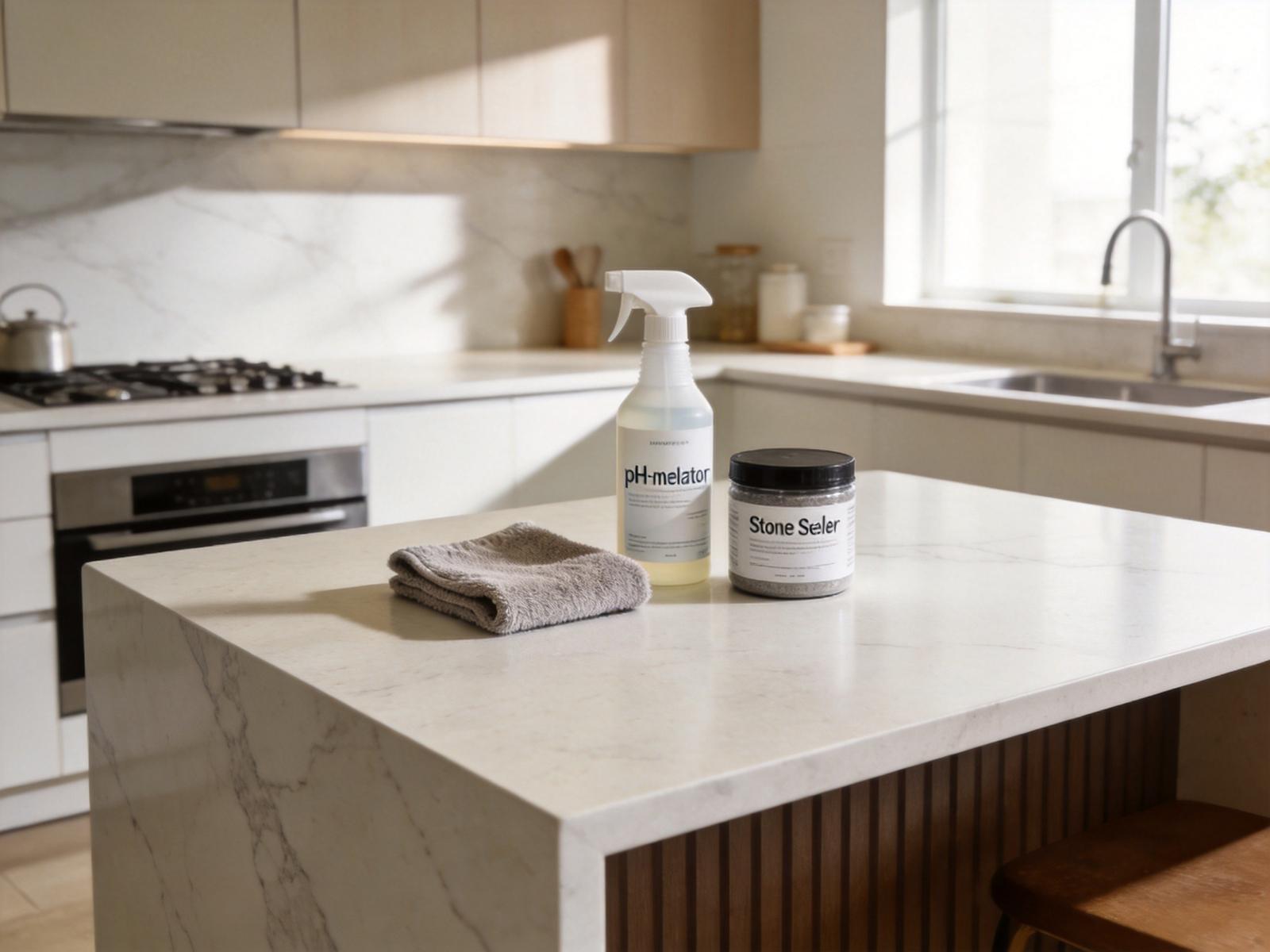
The Low-Maintenance Advantage of Sintered Stone
One of sintered stone's most compelling advantages is its minimal maintenance requirements compared to natural stone and other surfacing materials. Understanding how to properly care for sintered stone surfaces ensures they remain beautiful and functional for decades while taking full advantage of this engineered material's inherent durability.
Unlike natural stone that requires periodic sealing, specialized cleaning products, and careful attention to staining agents, sintered stone maintenance focuses on simple cleaning practices that keep surfaces pristine with minimal effort. This guide covers everything you need to know about caring for your sintered stone installations.
Understanding Sintered Stone's Built-In Advantages
Before discussing specific care practices, it's helpful to understand why sintered stone requires less maintenance than alternatives.
Sintered stone's near-zero porosity—typically below 0.1% water absorption—means liquids and contaminants cannot penetrate the surface. This fundamental characteristic provides:
- Stain resistance: Spills remain on the surface rather than soaking in
- Hygiene benefits: Non-porous surface prevents bacterial and mold growth
- No sealing required: Unlike granite, marble, and other natural stones
- Chemical resistance: Withstands exposure to most household substances
These properties make sintered stone one of the easiest surface materials to maintain while delivering superior long-term appearance retention.
Daily and Weekly Cleaning Practices
routine Cleaning for Kitchen Countertops
For daily sintered stone cleaning in kitchen environments:
Wipe surfaces with a soft cloth or sponge and warm water after food preparation. For most daily cleaning, this simple step is sufficient to maintain cleanliness and appearance.
For more thorough cleaning, use a mild, pH-neutral cleaner formulated for stone surfaces. Apply the cleaner, let it work for a moment, then wipe clean with a damp cloth and dry with a soft towel.
Address spills promptly—while sintered stone resists staining, removing spills promptly prevents any potential surface residue and maintains the pristine appearance of highly polished or reflective finishes.
Bathroom Surface Care
Bathroom surfaces face different challenges including soap scum, water spots, and personal care products:
For shower walls and bathroom surfaces, a weekly wipe-down with a soft cloth and warm water removes most residue. For hard water deposits, a mild acidic cleaner (diluted vinegar solution) can dissolve mineral buildup without damaging sintered stone.
For vanity countertops, daily wiping after use prevents toothpaste, cosmetics, and personal care product residue from accumulating.
Flooring Maintenance
Sintered stone flooring responds well to routine maintenance:
- Sweep or vacuum regularly to remove loose dirt and debris
- Damp mop with warm water for general cleaning
- Use a pH-neutral floor cleaner for deeper cleaning
- Avoid excessive water—sintered stone is water-resistant but standing water in joints should be avoided
Products to Avoid When Cleaning Sintered Stone
While sintered stone demonstrates excellent chemical resistance, certain products should be avoided to maintain surface appearance:
Abrasive cleaners and tools:
- Scouring pads and abrasive scrubbers
- Steel wool or metal brushes
- Cleaning powders with abrasive particles
- Cream cleaners with silica or pumice
These materials may scratch or dull polished and semi-polished finishes over time.
Harsh chemicals to avoid:
- Bleach in high concentrations (diluted bleach occasionally is acceptable)
- Highly alkaline drain cleaners
- Industrial solvent-based cleaners
- Hydrofluoric acid or products containing it
Acidic cleaners:
- Undiluted vinegar or lemon juice
- Strong acidic bathroom cleaners
- Tile grout removers
While sintered stone handles occasional exposure to mild acids better than quartz, repeated use of acidic cleaners may affect certain surface finishes.
How to Remove Common Stains
Even with sintered stone's stain resistance, certain substances may occasionally leave marks that need attention. Here's how to clean sintered stone when stains occur:
Oil and Grease Stains
For cooking oils, greasy foods, or cosmetic products:
- Apply a small amount of dish soap or degreaser to the affected area
- Let it sit for 5-10 minutes
- Scrub gently with a soft cloth or non-abrasive brush
- Rinse thoroughly with clean water
- Dry with a soft towel
Wine, Coffee, and Beverage Stains
For colored beverages that may leave marks:
- Wipe up excess liquid immediately
- Apply a stone-safe cleaner or mild detergent
- Let sit briefly, then wipe clean
- For stubborn stains, a mixture of baking soda and water applied as a paste can help
- Rinse and dry thoroughly
Hard Water Deposits
For limescale and mineral deposits common in bathrooms:
- Apply a mild acidic cleaner (diluted vinegar works) to the deposit
- Let it sit for several minutes to dissolve the minerals
- Wipe clean with a soft cloth
- Rinse thoroughly with clean water
- Dry to prevent future buildup
Ink and Marker Stains
For permanent markers or ink:
- Apply a small amount of rubbing alcohol or acetone
- Let it sit briefly to dissolve the ink
- Wipe clean with a soft cloth
- Rinse the area with water
- Repeat if necessary for stubborn stains
Protecting Your Sintered Stone Surfaces
While sintered stone is highly durable, simple protective practices extend its pristine appearance indefinitely:
Countertop Protection
- Use cutting boards: While sintered stone resists scratches from knife use, cutting boards protect both your knives and maintain the surface's pristine appearance
- Hot items: Unlike quartz, sintered stone tolerates hot cookware placement, but using trivets prevents any potential thermal shock from extreme temperature differentials
- Heavy impacts: Avoid dropping heavy objects on edges or corners where impact damage could occur
- Chemical exposure: Clean up spills of strong chemicals, solvents, or paints promptly
Flooring Protection
- Entry mats: Place mats at entrances to reduce abrasive dirt and debris
- Furniture pads: Ensure chair and table legs have appropriate floor protection
- Avoid dragging: Lift heavy items rather than dragging across the surface
Long-Term Maintenance Considerations
Sealing Requirements
Unlike natural stone, sintered stone does not require sealing. Its non-porous nature is inherent to the material, not a surface treatment that can wear away. This eliminates ongoing sealing costs and concerns about maintaining protection over time.
Professional Restoration
If surfaces experience significant damage or you wish to change finishes, professional restoration is possible:
- Polished finishes can be refinished to restore original appearance
- Scratches can be professionally polished out in most cases
- Edge chips can often be repaired with color-matched compounds
However, proper care typically prevents the need for professional restoration for the life of the installation.
Joint Maintenance
For installations with grout or silicone joints:
- Periodically inspect joints for cracking or deterioration
- Re-apply silicone sealant when it shows signs of aging
- Clean grout lines with appropriate non-abrasive cleaners
- Professional re-grouting can refresh the appearance of tiled installations
Commercial and High-Traffic Maintenance
For commercial environments with intensive use:
- Implement daily cleaning protocols appropriate to traffic levels
- Use commercial-grade, pH-neutral stone cleaners
- Consider periodic deep cleaning by professional maintenance services
- Establish protocols for addressing spills and stains promptly
Commercial installations benefit from establishing maintenance schedules and training staff on appropriate cleaning practices.
Conclusion: Simple Care for Lasting Beauty
Sintered stone maintenance is remarkably straightforward compared to natural stone and other surfacing materials. By following simple daily cleaning practices, using appropriate cleaning products, and implementing basic protective measures, your sintered stone surfaces will maintain their beauty and performance for decades.
The key advantages are clear:
- No sealing required—ever
- Simple daily cleaning with water and mild detergent
- Excellent resistance to staining and chemical exposure
- Easy stain removal when needed
- Professional restoration available if ever required
For more information on sintered stone care or to discuss your project requirements, contact MENGNA SURFACES. Our team is ready to help you maintain beautiful, durable surfaces that stand the test of time.