Sintered Stone Hotel Spa Design: Luxury Wellness Center Surface Solutions
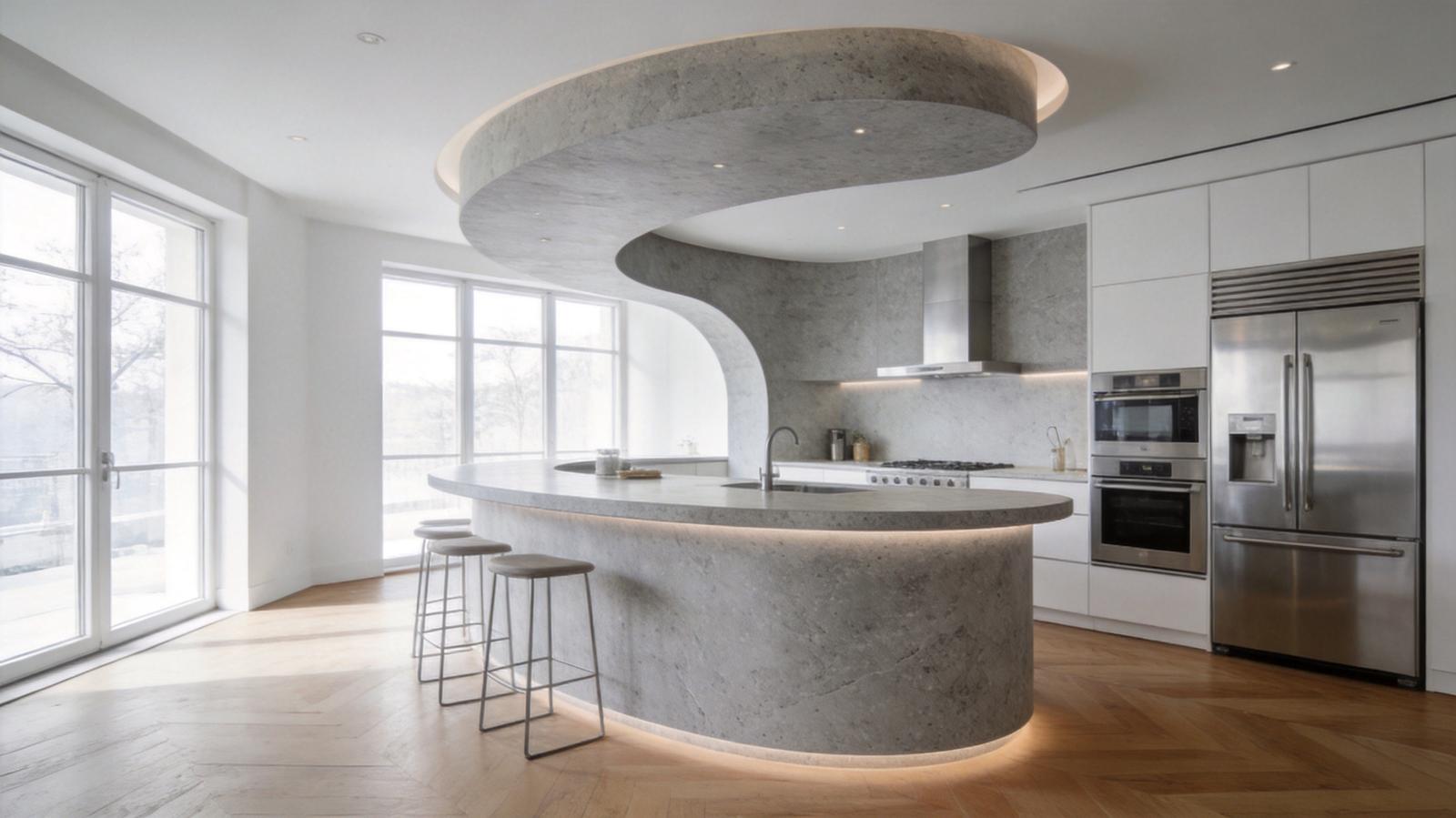
The hotel spa has evolved from a supplementary amenity into a core differentiator for luxury hospitality brands. Guests increasingly select accommodations based on wellness offerings, making spa design a strategic investment rather than merely an operational expense. Surface material selection fundamentally shapes the guest experience, influencing both tactile perception and visual atmosphere.
The Hotel Spa Environment: Design Challenges
Spa environments present unique challenges that distinguish them from standard hotel spaces. High humidity levels in steam rooms and pool areas, temperature variations between hot and cold experiences, constant exposure to water and cleaning chemicals, and high traffic from numerous daily guests create demanding conditions that challenge conventional materials.
Design success requires balancing competing priorities: the warmth and natural feel that guests associate with spa experiences, the practical durability essential for commercial operations, compliance with stringent hygiene standards, and aesthetic sophistication that justifies premium pricing.
Material Performance Requirements
Spa surface materials must demonstrate exceptional performance across multiple parameters:
- Water resistance: Zero or near-zero water absorption to prevent swelling, warping, or deterioration
- Thermal stability: Resistance to degradation from temperature cycling
- Chemical resistance: Tolerance for chlorine, salt, acids, and cleaning agents
- Hygienic properties: Non-porous surfaces that inhibit bacterial and mold growth
- Durability: Resistance to scratches, impacts, and wear from continuous use
Sintered stone excels across all these performance categories, making it increasingly the material of choice for forward-thinking spa designers.
Spa Zone Applications
Arrival and Reception Areas
First impressions form immediately upon spa entry. Reception areas establish the experience tone through material choices, lighting design, and spatial composition. Large-format sintered stone panels create impressive wall features that communicate luxury without ostentation.
Marble-look collections prove particularly effective in reception areas, where prestigious natural stone aesthetics reinforce premium positioning. The material's consistency ensures book-matching possibilities unavailable with natural stone quarried from different blocks, enabling dramatic veined patterns that would cost exponentially more with natural marble.
Reception counters benefit from sintered stone's combination of visual refinement and practical durability. The surface withstands luggage contact, bag scratches, and the general abuse of busy arrival and departure periods while maintaining its polished appearance.
Steam Rooms and Hammams
Steam rooms and traditional hammams present the most demanding environmental conditions in spa facilities. Sustained temperatures of 40-50°C combined with near-100% humidity challenge materials that would fail rapidly in conventional applications.
Sintered stone performs exceptionally in these conditions. The material's near-zero water absorption prevents the moisture penetration that causes swelling in wood, delamination in composites, or efflorescence in natural stone. Temperature cycling produces no dimensional changes or surface degradation.
Design possibilities in steam rooms extend beyond conventional tile layouts. Large-format panels minimize grout lines that collect soil and harbor bacteria, while the material's thermal mass absorbs and releases heat gradually, contributing to the enveloping warmth guests expect from steam experiences.
Thermal Pools and Hydrotherapy
Thermal pools, hot tubs, and hydrotherapy stations expose surrounding surfaces to constant splashing, chemical exposure, and high humidity. Pool decks require slip-resistant surfaces that remain safe when wet while maintaining aesthetic sophistication.
Sintered stone anti-slip collections achieve certified wet-coefficient ratings suitable for pool surrounds without sacrificing visual appeal. Textured surfaces provide secure footing while remaining comfortable underfoot for bare feet common in spa environments.
For heated pools, sintered stone's thermal properties contribute to the experience. Unlike cold ceramic tile, the material accepts body temperature quickly, feeling warm and welcoming rather than shockingly cold upon contact.
Treatment Rooms
Massage, facial, and body treatment rooms require surfaces that support therapeutic relaxation. The visual and tactile qualities of materials significantly influence perceived quality and relaxation outcomes.
Sintered stone's versatility enables diverse aesthetic approaches: serene neutral palettes supporting meditation, dramatic stone looks creating sensory impact, or contemporary solid colors aligning with minimalist wellness concepts. The material's warm tactile quality—more organic feeling than ceramic or glass—reinforces the natural wellness associations that spa branding typically seeks.
Practical considerations favor sintered stone in treatment rooms as well. The surface tolerates massage oils, essential oils, and treatment products that would stain or damage natural stone. Cleaning protocols that protect client safety do not damage the material.
Spa Locker Rooms
Often overlooked in design attention, locker rooms significantly impact overall spa experience. Guests encounter these spaces at vulnerable moments—pre-treatment preparation and post-treatment relaxation—making their quality consequential to overall satisfaction.
Sintered stone lockers represent an emerging application where the material's durability and water resistance create maintenance-free storage solutions. Stone-look panels coordinated with wall and floor finishes create cohesive locker room aesthetics that reinforce overall spa design.
Vanity counters in locker rooms benefit from the same practical advantages: resistance to cosmetics, perfumes, and daily moisture exposure while maintaining refined appearance.
Design Aesthetic Strategies
Monochromatic Luxury
Contemporary spa design increasingly embraces monochromatic palettes where texture and material variation substitute for color complexity. Single-tone sintered stone collections in warm whites, creams, or soft grays create serene environments where the interplay of light across textured surfaces provides visual interest without distraction.
This approach proves particularly effective in meditation-focused wellness concepts and urban spas where external noise and visual stimulation create desire for sanctuary spaces. The reductive aesthetic signals sophisticated taste while supporting the mental quietude that spa experiences seek to cultivate.
Natural Material Impressions
Alternatively, many spa designs pursue connection to natural environments through material selection. Sintered stone collections reproducing marble, travertine, limestone, and even wood enable these associations without the maintenance vulnerabilities of natural materials.
Marble-look sintered stone offers particular value in spa applications where natural marble's porosity creates hygiene concerns and maintenance demands. The engineered alternative provides identical aesthetics with superior practical performance, enabling prestigious appearances at accessible price points.
Sculptural Integration
Luxury spas increasingly feature sintered stone as a sculptural medium rather than merely surface cladding. Custom-fabricated elements—curved reception desks, sculptural water features, integrated seating, architectural dividers—demonstrate the material's fabrication flexibility while creating distinctive brand signatures.
Thermobending capabilities enable sintered stone to achieve curved forms previously impossible with rigid stone materials. These organic shapes contribute to the flow and naturalism that contemporary spa design emphasizes.
Installation Considerations
Waterproofing Systems
Regardless of material selection, wet area installations require comprehensive waterproofing beneath surface materials. Sintered stone installation follows industry-standard membrane systems appropriate for the specific wet zone: liquid-applied membranes for complex geometries, sheet membranes for large flat areas, and hybrid systems combining both approaches.
Proper waterproofing ensures moisture cannot penetrate substrate materials or reach building structure, preventing the mold growth, structural damage, and maintenance failures that compromise spa operations.
Movement Joints
Large-format panel installations require careful movement joint planning to accommodate thermal expansion, building movement, and substrate settling. Joint placement should align with architectural features and follow manufacturer recommendations for maximum panel spans.
Silicone movement joints filled with color-matched sealants maintain waterproofing while becoming visually integrated with overall design. Proper joint execution prevents the cracking and delamination that occurs when panels are rigidly constrained.
Integration with Other Materials
Spa designs typically combine multiple materials: stone, glass, metal, wood, and textile elements. Transitions between materials require careful detailing to maintain waterproofing continuity while achieving clean visual lines.
Metal trim profiles specifically designed for large-format panels create clean edges at terminations and transitions. Glass partitions integrate with stone walls through minimal-profile connections that maintain visual continuity.
Sustainability and Wellness
Indoor Air Quality
Modern wellness design increasingly addresses indoor air quality as a health consideration. Sintered stone contributes to healthy indoor environments through zero VOC emissions, no off-gassing, and surfaces that do not harbor mold or bacteria that degrade air quality.
The material's compatibility with low-chemical cleaning protocols further supports healthy indoor environments, reducing the chemical burden that conventional cleaning regimens impose on building occupants.
Longevity and Resource Efficiency
The extended service life of sintered stone—25+ years in demanding commercial applications—supports sustainability through reduced replacement frequency. Each replacement cycle consumes materials, energy, and labor that extended-life products avoid.
When eventual replacement occurs, sintered stone can be recycled into aggregate for road construction or other applications, closing the material lifecycle in ways natural stone and ceramic cannot match.
Cost Considerations
Sintered stone spa installations represent premium investments compared to ceramic tile or conventional stone. Material costs typically range from $60-150 per square foot for large-format panels, with fabrication and installation adding significant additional costs for complex applications.
However, lifecycle cost analysis reveals different economics. Ceramic tile requires grout cleaning, replacement of damaged pieces, and eventual full renovation. Natural stone requires periodic sealing and polishing. Sintered stone's maintenance requirements are minimal, reducing operational costs throughout its extended service life.
For luxury properties where spa experience differentiation drives revenue, the material investment supports brand positioning and guest satisfaction that generates returns through repeat visitation and premium pricing.
Conclusion
Hotel spa design demands materials that reconcile aesthetic sophistication with relentless practicality. Sintered stone provides this balance through engineered performance characteristics that enable design visions impossible with conventional materials while delivering the durability that commercial spa operations require.
From serene treatment rooms to demanding steam environments, sintered stone applications demonstrate the material's versatility and reliability. Hospitality operators investing in sintered stone spa design secure aesthetic differentiation, operational efficiency, and guest satisfaction that supports premium positioning in competitive markets.
Design Your Luxury Spa with Premium Sintered Stone
MENGNA SURFACES partners with hotel operators, spa designers, and developers worldwide. Our technical team provides specifications, samples, and project consultation for wellness center applications.
Request Project ConsultationFrequently Asked Questions
Why is sintered stone the preferred material for hotel spa environments?
Hotel spas demand materials that balance aesthetic luxury with practical durability in high-moisture, high-traffic environments. Sintered stone provides non-porous surfaces that resist water absorption and bacterial growth, thermal stability for steam rooms and hot pools, chemical resistance for cleaning protocols, and aesthetic versatility that supports diverse design concepts from minimalist to opulent.
Can sintered stone be used in steam rooms and hamams?
Yes, sintered stone is extensively used in steam rooms, hamams, and Turkish baths. The material withstands sustained high humidity and temperature variations without warping, swelling, or degrading. Its thermal mass also contributes to the thermal experience, maintaining warm surface temperatures that feel comfortable against skin. Proper installation using waterproof membranes ensures long-term performance in these demanding environments.
What finishes work best for spa wet areas?
For spa wet areas, we recommend anti-slip finishes in zones subject to barefoot traffic. Honed or matte finishes provide better grip when wet compared to polished surfaces. Textured sintered stone collections specifically designed for wet areas offer certified slip resistance (R10 or higher) while maintaining the material's aesthetic appeal and easy-clean properties.
How does sintered stone compare to mosaic tile for spa walls?
Sintered stone large-format panels offer significant advantages over mosaic tile for spa applications: minimal grout lines reduce cleaning maintenance and potential mold growth, seamless appearance creates more luxurious visual impact, faster installation reduces labor costs, and consistent through-body color means any damage is less visually apparent. While mosaic allows intricate patterns and color combinations, large-format sintered stone achieves sophisticated aesthetics more efficiently.
What maintenance is required for sintered stone in spa environments?
Sintered stone requires minimal maintenance in spa environments. Daily cleaning involves wiping surfaces with pH-neutral cleaners and water. Periodic deep cleaning removes mineral deposits common in hard water areas. Unlike natural stone, sintered stone never requires sealing. The non-porous surface prevents staining and bacterial penetration, significantly reducing long-term maintenance requirements compared to marble, travertine, or ceramic tile.
🌍 Explore by Country
Dive deeper into sintered stone solutions tailored for your market.