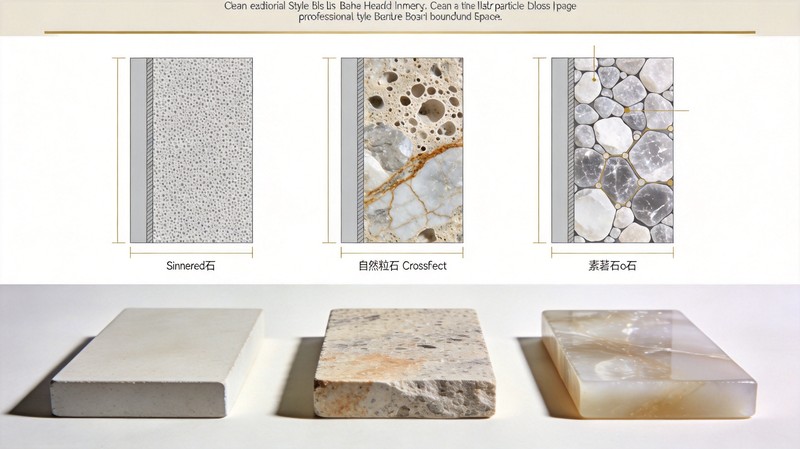
Window sills occupy a deceptively demanding position in building envelopes, exposed to weather extremes, thermal cycling, and functional stress while serving as visual transitions between window frames and interior surfaces. Sintered stone has emerged as the definitive material choice for architects and builders seeking performance and aesthetics in this critical application.
Why Window Sills Demand Premium Materials
Window sills face environmental challenges that floors and walls do not. Direct sun exposure causes thermal cycling between hot daytime temperatures and cooler nighttime conditions. Rain and snow deposit moisture that can freeze in cold weather, expanding within porous materials and causing fracture. The transition between building interior and exterior creates condensation risk during humid conditions.
Functionally, window sills accumulate items placed by occupants while directing water away from building facades. This combination of environmental stress and practical use demands materials that maintain appearance despite challenging conditions. Natural stone alternatives often fail prematurely in window sill applications due to porosity issues, staining from plant pots, and efflorescence from moisture infiltration.
Sintered Stone Properties for Window Sill Applications
Sintered stone's engineered properties address each window sill challenge through material science rather than ongoing maintenance interventions. Understanding these properties helps architects and builders specify appropriate products and communicate performance expectations to clients.
Porosity and Water Resistance
The near-zero porosity of sintered stone, typically less than 0.05%, prevents water absorption that causes virtually all common window sill failures. Water cannot penetrate the material surface regardless of exposure duration or rainfall intensity. This inherent waterproofing eliminates the efflorescence staining, freeze-thaw cracking, and biological growth that affect porous natural stone and concrete sills.
Thermal Stability
Window sills experience dramatic temperature variations as sun exposure changes throughout the day and across seasons. Sintered stone's thermal stability, derived from its manufacturing process exceeding 1200°C, enables reliable performance despite temperature cycling that stresses other materials. The material's low coefficient of thermal expansion prevents the dimensional changes that cause joint failures and cracking.
UV Resistance
Pigment systems used in sintered stone production incorporate UV-stable colorants that maintain appearance despite years of sun exposure. Unlike materials that fade or chalk under UV radiation, sintered stone surfaces remain consistent in color and surface quality. This stability ensures that window sill replacements years after initial construction will not appear noticeably different from original installations.
Design Applications and Aesthetic Options
Sintered stone window sills accommodate design requirements from minimal contemporary to traditionally detailed architecture. Material selection and profile work enable coordination with diverse building styles while maintaining the performance advantages that define sintered stone specification.
Contemporary Minimalist Designs
Modern architectural windows increasingly feature minimal frame projections and clean transitions between window and wall. Sintered stone sills in thin section thicknesses create these streamlined details while providing the durability that contemporary expectations demand. Matte finish surfaces avoid the reflective quality that distracts from clean-lined facades.
Traditional and Classical Detailing
Traditional architecture benefits from sintered stone reproductions of classic window sill profiles. Bullnose, ogee, and coved profiles replicate the details associated with premium stonework while providing performance that natural stone cannot match. The material's consistency ensures that traditional profiles reproduce accurately across all sills in a project.
Custom Profile Capabilities
Fabrication flexibility enables custom profiles for architectural projects requiring unique detailing. Computer-controlled cutting achieves precision impossible with hand fabrication, while consistency between pieces ensures that custom profiles reproduce accurately across production runs. Complex profiles including multiple steps, chamfers, and returns accommodate the most demanding architectural specifications.
Interior Window Sill Applications
Interior window sills face different challenges than exterior applications but benefit equally from sintered stone's performance characteristics. Residential and commercial interiors demand surfaces that maintain appearance despite daily use while complementing surrounding finishes.
Residential Plant Display
Interior window sills commonly display potted plants that create demanding conditions for surfacing materials. Watering creates moisture exposure, soil contains chemicals that stain many materials, and plant containers cause scratching and impact damage. Sintered stone handles all these challenges: moisture has no effect, soil wipes away easily, and the hard surface resists scratching from ceramic pots.
Commercial and Office Applications
Commercial interiors benefit from sintered stone window sills in high-traffic corridors and reception areas where durability determines long-term appearance. The material's maintenance simplicity reduces cleaning costs compared to alternative materials, while its premium appearance enhances the professional image that commercial environments require.
Exterior Window Sill Performance
Exterior window sills require specification attention to performance requirements that interior applications can ignore. Weather exposure, structural loads, and building code requirements influence exterior sill selection and installation approach.
Weather Resistance Requirements
Exterior sills must shed water effectively to prevent infiltration behind the sill into wall assemblies. Sintered stone's workability enables creation of drip grooves and slope surfaces that direct water away from building facades. The material's durability ensures that these details remain functional despite years of weather exposure without the erosion that affects concrete sills.
Freeze-Thaw Performance
Climate zones experiencing freezing temperatures demand materials capable of withstanding ice formation within surface pores. Natural stone and concrete both fail in these conditions as absorbed water expands during freezing, fracturing the material from within. Sintered stone's near-zero porosity prevents water absorption entirely, eliminating freeze-thaw failure regardless of temperature cycling frequency.
Coastal Environment Suitability
Coastal buildings face accelerated deterioration from salt spray exposure. Many stone and concrete materials suffer salt attack as sodium chloride penetrates surfaces and crystallizes during drying, causing surface spalling and structural degradation. Sintered stone's chemical resistance withstands salt exposure without surface damage, maintaining appearance and structural integrity in the most demanding coastal environments.
Installation Best Practices
Proper installation ensures that sintered stone window sill performance translates into satisfactory building performance. Attention to substrate preparation, support, and sealing determines long-term results.
Substrate Requirements
Window sill installations require structurally sound substrates capable of supporting sill weight and any loads placed on the sill during use. Concrete, masonry, and properly engineered steel window frames provide appropriate support. Wood framing requires blocking or steel angle supports to achieve required load capacity for stone sill installations.
Support and Anchoring
Exterior sills with cantilevered spans require appropriate structural support to prevent deflection that causes cracking or joint failure. Corbel supports, steel angles, and masonry ledges provide support for spans exceeding the capacity of adhesive bonding alone. Professional engineers calculate support requirements based on span, sill thickness, and expected load conditions.
Joint Treatment
Joint treatment between sill and window frame or surrounding wall prevents water infiltration while accommodating movement. Flexible sealants accommodate thermal movement while maintaining weather seals. Backer rods control sealant depth and ensure proper adhesion to joint surfaces. Professional installers select sealant products appropriate for exterior exposure conditions.
Maintenance and Longevity
Sintered stone window sills require minimal maintenance compared to alternatives, reducing lifecycle cost of ownership despite higher initial material investment. The material's inherent properties prevent the degradation that requires intervention with other materials.
Cleaning Requirements
Regular cleaning involves simple washing with mild detergent to remove accumulated dirt and environmental contamination. Pressure washing effectively cleans exterior sills without damaging the stone surface. The material's stain resistance means that even stubborn marks respond to cleaning without specialized products or intensive scrubbing.
Expected Service Life
Sintered stone window sills typically exceed 50-year service life under normal exposure conditions. Unlike materials requiring periodic sealing, refinishing, or replacement, sintered stone installations maintain original appearance and structural integrity throughout their service life. This longevity typically offsets higher initial costs through lifecycle cost savings.
Cost Considerations
Initial cost comparison between sintered stone and alternative window sill materials requires consideration of installation costs, maintenance requirements, and replacement timelines.
Material and Fabrication Costs
Sintered stone window sills typically cost more than concrete or entry-level tile options but compete with premium natural stone specifications. Fabrication costs depend on profile complexity, quantity, and dimensional requirements. Large production runs reduce per-unit costs through optimized cutting and reduced setup time.
Lifecycle Cost Analysis
Lifecycle cost analysis consistently favors sintered stone for demanding applications where alternative materials require regular maintenance or premature replacement. Exterior sills in harsh climates, interior sills in high-use commercial buildings, and applications requiring premium appearance maintenance benefit most from sintered stone specification.
Conclusion
Sintered stone window sills represent the convergence of engineering excellence and aesthetic refinement that defines premium architectural specification. The material's inherent properties address window sill challenges that defeat other materials while enabling design expressions from contemporary minimalism to traditional classical detailing.
Professional consultation ensures appropriate specification for specific project requirements. Our team provides technical guidance on material selection, profile options, and installation approaches for window sill projects from single residential installations to large-scale commercial developments.