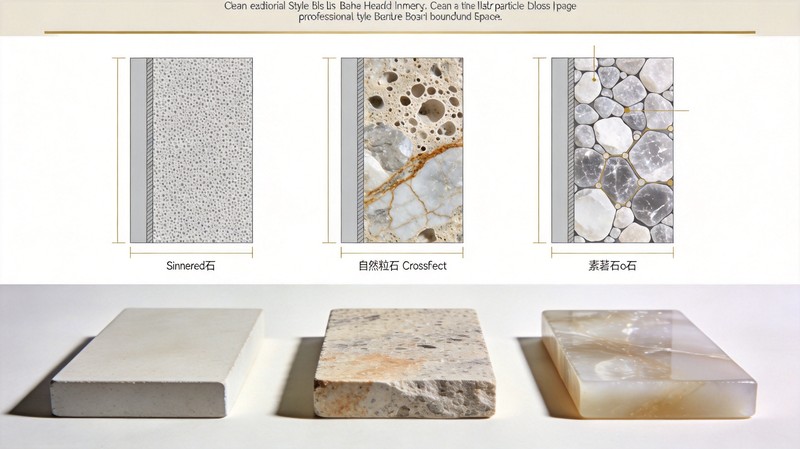
Wall panel systems using sintered stone have revolutionized interior and exterior surface design, offering architects and designers unprecedented creative possibilities combined with practical installation methods. The material's combination of large format capability, light weight, and durability has expanded the boundaries of what wall cladding can achieve.
Understanding Sintered Stone Wall Panel Technology
Sintered stone wall panels represent a convergence of manufacturing innovation and installation engineering. The material's properties enable installation approaches impossible with natural stone or traditional ceramic tiles, while maintaining the aesthetic qualities that make stone surfaces desirable in architectural applications.
The manufacturing process creates slabs with consistent thickness tolerance, enabling precise installation systems that assume uniform panel dimensions. This consistency eliminates the fitting challenges common with natural stone where each slab varies slightly from specification. Large format production up to 1620x3240mm enables dramatic installations covering entire wall surfaces with minimal joints.
Installation Method Selection
Successful sintered stone wall panel installations begin with appropriate method selection. Each installation approach offers specific advantages suited to particular applications, substrates, and design requirements. Understanding these options enables informed decisions that optimize both installation efficiency and long-term performance.
Adhesive Bonding Systems
Direct adhesive bonding to prepared substrates provides the most streamlined installation method for interior applications. This approach creates flush, seamless wall surfaces without visible fastening systems, maximizing the material's aesthetic impact. Polymers modified thin-set mortars provide the adhesion and flexibility required for sintered stone panels.
Substrate preparation critically determines installation success for adhesive bonding systems. Concrete, cement backer board, and properly prepared drywall accept adhesive bonding when clean, dry, and appropriately primed. Substrate deflection limitations require structural assessment for upper-floor installations where floor deflection could transfer to wall surfaces.
Mechanical Fastening Systems
Mechanical fastening provides reliable attachment independent of substrate adhesive capacity, making it essential for exterior applications and interior installations over substrates unsuitable for adhesive bonding. Visible fastener systems create industrial aesthetic expressions, while concealed clip systems maintain seamless appearance while providing robust attachment.
Stainless steel and aluminum clips, rails, and brackets form the mechanical attachment matrix. Clip design accommodates thermal movement while maintaining secure panel retention. Professional installers calculate clip spacing based on panel dimensions, expected wind loads for exterior applications, and panel weight to ensure structural adequacy.
Rail and Bracket Systems
Engineered rail and bracket systems provide the most sophisticated installation approach for demanding applications. These systems incorporate adjustable connections that enable precise alignment while accommodating building movement and thermal cycling. Vertical and horizontal rail configurations adapt to various panel orientations and structural conditions.
The initial investment in rail and bracket systems pays dividends through installation speed, adjustment flexibility, and long-term performance assurance. Commercial and high-rise exterior applications typically specify these systems due to stringent wind load requirements and the need for inspectable connections.
Interior Wall Panel Applications
Interior applications benefit from sintered stone wall panels' aesthetic versatility and installation flexibility. The material transforms spaces while providing the durable, easy-clean surfaces that high-traffic commercial and demanding residential environments require.
Feature Walls and Accent Panels
Strategic panel placement creates focal points that anchor interior design. Feature walls using dramatic sintered stone patterns draw attention and establish design themes that guide surrounding material and finish selections. The material's large format capability enables installations without interruption across window and door openings, creating continuous visual statements.
Residential applications favor fireplace surrounds, media wall backgrounds, and entry hall surfaces where the material's premium appearance creates lasting impressions. The combination of aesthetic impact and practical performance makes sintered stone panels increasingly popular in luxury residential specifications.
Commercial Interior Cladding
Commercial interiors demand materials that withstand high traffic while maintaining appearance in demanding conditions. Sintered stone panels address both requirements, providing the durability essential for retail, hospitality, and corporate environments while delivering the design sophistication that premium brand experiences require.
Retail environments benefit from sintered stone's scratch resistance against shopping carts and store fixtures, while the material's stain resistance handles common commercial soiling. Hospitality applications appreciate the material's hygiene properties and maintenance simplicity in corridor, bathroom, and public area applications.
Kitchen and Bathroom Wall Panels
Wet area applications showcase sintered stone's moisture resistance advantages. Kitchen backsplashes using large format panels eliminate grout lines that collect grease and require intensive cleaning. Bathroom wall panels provide seamless, waterproof surfaces that maintain pristine appearance despite humid conditions and regular water exposure.
The material's thermal stability proves particularly valuable behind cooktops and near heat-generating appliances where temperature fluctuations challenge other wall surfacing materials. Hot pans, steam, and temperature cycling cause no damage to properly installed sintered stone panels.
Exterior Wall Cladding Systems
Exterior applications demand materials capable of withstanding environmental exposure while maintaining appearance through decades of weather cycles. Sintered stone exterior cladding addresses these requirements through inherent durability and engineered installation systems designed for exterior performance.
Facade Design Considerations
Architectural facades utilizing sintered stone panels require coordinated design addressing structural support, thermal performance, and weather resistance. The material's light weight compared to natural stone of equivalent thickness reduces structural requirements, enabling cost-effective support systems and extending application possibilities to buildings unable to support heavier cladding materials.
Ventilated facade configurations incorporating air gaps behind panels improve thermal performance while facilitating moisture management. This construction approach has become standard for premium commercial construction, and sintered stone panels integrate effectively into these systems.
Weather Performance Requirements
Exterior wall panels must handle rain penetration, wind loading, temperature extremes, and UV exposure without deterioration. Sintered stone's near-zero porosity prevents water absorption that causes freeze-thaw damage in cold climates. UV-stable pigments maintain color consistency despite decades of sun exposure. The material's hardness resists wind-blown debris impact that damages softer cladding materials.
Installation Tolerances and Adjustments
Exterior installations require accommodation for building movement and thermal cycling that interior applications can ignore. Professional installers incorporate expansion joints at panel perimeters, movement accommodation at structural connections, and appropriate fastener selection for thermal cycling conditions. These details determine long-term performance in demanding exterior environments.
Panel Handling and Fabrication
Proper handling preserves panel integrity during transport and installation, while appropriate fabrication enables complex details and accurate sizing. These practical considerations influence project success as significantly as installation method selection.
Transport and Storage
Sintered stone panels require protection during transport and storage to prevent edge damage and surface scratching. Professional fabricators and installers maintain specialized transport equipment, storage racks, and handling techniques that protect panel surfaces and edges throughout the delivery and installation process.
Cutting and Drilling
Field modifications requiring cutting or drilling demand appropriate equipment and techniques. Water-cooled diamond blades provide clean cuts without thermal damage. Specialized drill bits create openings for penetrations and mechanical fasteners. Professional installers maintain this equipment and the expertise required for precise fabrication in field conditions.
Design Integration Strategies
Successful wall panel installations integrate with surrounding materials, building systems, and architectural elements. Design coordination ensures that panel installations complement rather than conflict with adjacent finishes, door and window frames, and building services.
Joint Treatment Options
Joint treatment significantly influences final appearance and maintenance requirements. Minimal joint installations using color-matched sealants create nearly seamless surfaces that maximize material continuity. Shadow gap joints emphasizing panel edges create contemporary expressions that highlight panel geometry. The selection depends on aesthetic goals and practical maintenance considerations.
Integration with Building Services
Wall panels must accommodate electrical outlets, light fixtures, signage, and other building services that penetrate wall surfaces. Professional installers coordinate with other trades to ensure accurate positioning and appropriate treatment of penetrations. Proper detailing maintains weather resistance for exterior applications and fire safety compliance for both interior and exterior systems.
Quality Assurance and Inspection
Professional installations incorporate quality assurance protocols that verify proper execution at each stage. Inspection checkpoints verify substrate preparation, alignment, fastening, and sealing before concealment by subsequent work.
Installation Verification
Visual inspection confirms panel alignment, joint consistency, and surface condition. Mechanical fastening installations benefit from pull-out testing that verifies fastener capacity in specific substrate conditions. Documentation of verification results provides quality assurance records and identifies any remedial work required.
Conclusion
Sintered stone wall panel systems represent a mature technology that architects and designers can specify with confidence. The combination of aesthetic versatility, installation flexibility, and long-term durability makes these systems appropriate for applications from residential accent walls to commercial high-rise facades.
Professional installation ensures that material quality translates to installation quality. Experienced installers understand the specific requirements of sintered stone panel systems and implement appropriate techniques for substrate preparation, panel handling, fastening, and sealing. Investment in professional installation protects material investment and ensures satisfactory long-term performance.