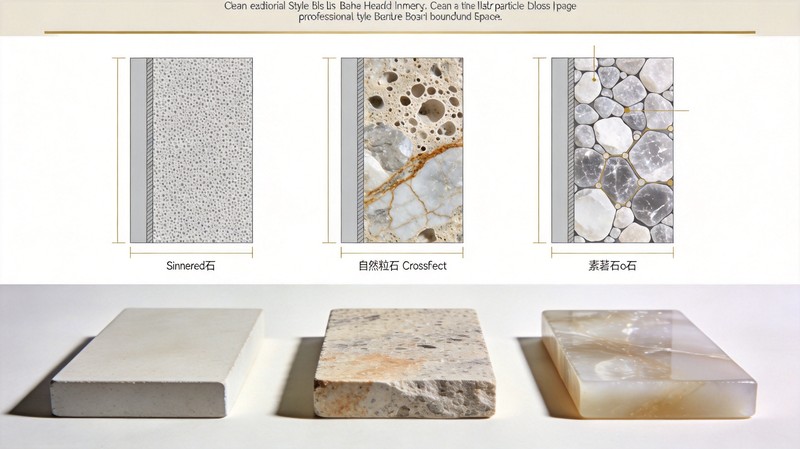
Swimming pools and spa environments present some of the most demanding conditions for surfacing materials. Constant water exposure, chemical treatment, temperature variations, and heavy foot traffic combine to challenge even the most durable materials. Sintered stone has emerged as the preferred solution for architects and designers seeking lasting beauty and performance in these challenging applications.
Why Sintered Stone Excels in Wet Environments
The fundamental properties that make sintered stone exceptional for general architectural applications become particularly valuable in pool and spa environments. Understanding these properties helps explain why the material has rapidly gained acceptance in water-related applications.
Near-Zero Water Absorption
With water absorption rates below 0.05%, sintered stone effectively repels water rather than absorbing it. This characteristic eliminates the primary failure mechanism for many pool materials: water infiltration followed by freeze-thaw damage or biological growth. Where natural stone and concrete absorb water that promotes algae colonization and eventual surface degradation, sintered stone maintains clean, dry surfaces that resist biological attachment.
Chemical Stability
Pool water requires chemical treatment to maintain sanitary conditions. Chlorine, bromine, salt systems, and pH adjusters all create challenging chemical exposure for surfacing materials. Sintered stone maintains complete chemical stability across the pH range encountered in pool and spa environments. Unlike natural marble, which etches from low pH exposure, or metals that corrode, sintered stone surfaces remain unaffected by routine pool chemical treatment.
Thermal Shock Resistance
Spa environments involve dramatic temperature cycles: water temperatures often range from 37°C (body temperature) to 42°C (therapeutic maximum), while ambient air temperatures may differ dramatically. This thermal cycling challenges materials that expand and contract at different rates in their various components. Sintered stone's homogeneous composition ensures uniform thermal response, preventing the stress concentrations that cause cracking in composite materials.
UV and Weather Resistance
Outdoor pools face continuous sun exposure that degrades many materials over time. Sintered stone's UV-stable composition maintains color and surface integrity despite years of sun exposure. The material's weather resistance also handles rain, wind, and temperature extremes without the surface degradation that affects painted or coated materials.
Pool Interior Applications
Modern pool design increasingly incorporates sintered stone for interior pool shells, moving beyond traditional tile and plaster finishes. Large format panels create seamless pool interiors that eliminate the visual disruption of grout lines while providing superior durability.
Panel Installation Systems
Sintered stone pool panels are installed using specialized systems designed for permanent submersion. Panel thicknesses of 5-12mm provide adequate strength while minimizing weight. Installation involves preparing the pool structure, applying specialized waterproof adhesive, and grouting with flexible, waterproof materials. The resulting surface provides decades of service without the cracking, efflorescence, or tile delamination that affects conventional pool finishes.
Design Possibilities
Large format panels enable dramatic design possibilities previously impossible with traditional tile. Single panels can span entire pool walls, creating seamless surfaces that photograph beautifully and feel luxurious. The material's ability to replicate natural stone, concrete, or solid colors enables pools that coordinate with any architectural vocabulary.
Edge details, bench surfaces, and built-in features can all incorporate matching sintered stone for cohesive appearance. The material's workability allows curved panels for radius pool designs, providing flexibility for organic pool shapes.
Pool Coping and Edge Details
Pool coping represents one of the most visible pool elements, defining the transition between water and deck. Sintered stone coping provides aesthetic continuity while offering superior performance in this challenging position.
Coping Profiles
Sintered stone coping is available in multiple profiles to suit different design approaches. Traditional rolled edge coping presents a classic rounded profile that provides visual softness and comfortable hand contact. Square edge profiles offer contemporary aesthetics with clean geometric lines. Cantilevered coping extends over the water surface, creating a dramatic vanishing edge appearance.
Durability Advantages
Coping surfaces face concentrated stress: they remain wet from splash and evaporation, are walked on with wet feet, and receive direct sun exposure. These conditions promote biological growth and surface degradation on many materials. Sintered stone coping maintains pristine appearance despite these challenges, requiring only periodic cleaning to remove any accumulated deposits.
Spa and Hot Tub Applications
Spa environments intensify the challenges faced by pool materials. Higher temperatures increase chemical reaction rates, promote faster biological growth, and accelerate any material degradation. Sintered stone's thermal and chemical stability make it exceptionally suited for these demanding applications.
Spa Bench and Seat Surfaces
Seating surfaces in spas require materials that remain comfortable at elevated temperatures, resist staining from spa products, and maintain hygiene despite continuous water exposure. Sintered stone seats provide smooth, non-porous surfaces that remain clean and comfortable. Textured anti-slip finishes ensure safety while maintaining aesthetic appeal.
Spa Shell Construction
Custom spa construction can incorporate sintered stone panels for shell interiors, creating spas that coordinate with surrounding pool areas. The material's workability allows complex curved shapes, while its thermal properties prevent the surface temperature extremes that make some materials uncomfortable in spa environments.
Deck and Surrounding Areas
Pool decks face intense use: they are walked on with wet feet, splashed with chemically treated water, exposed to direct sun, and may freeze in winter climates. Sintered stone decking addresses these challenges while providing the aesthetic refinement that distinguishes premium pool environments.
Anti-Slip Performance
Safety considerations drive deck material selection, particularly around pools where barefoot traffic and water splash create slip hazards. Sintered stone is available with verified anti-slip ratings suitable for pool deck applications. R10-rated matte finishes provide adequate traction for typical pool decks, while R11 and R12 ratings address commercial or high-traffic pool environments where enhanced slip resistance is required.
Thermal Comfort
Unlike dark materials that absorb heat and become uncomfortably hot, lighter sintered stone colors reflect solar radiation and remain cooler underfoot. This thermal comfort characteristic is particularly valuable in warm climates where pool deck surfaces may reach uncomfortable temperatures with darker materials.
Jointless Installation
Large format sintered stone tiles enable reduced joint layouts that simplify maintenance and enhance visual appeal. Wider spacing between joints reduces the grout lines that collect dirt and require cleaning, while the grout itself faces less stress from thermal cycling and moisture exposure.
Water Features and Decorative Elements
Premium pool environments incorporate water features including fountains, waterfalls, and decorative jets. These elements present unique material challenges: they operate continuously, often expose surfaces to direct water impact, and may incorporate complex geometries. Sintered stone's versatility addresses these challenges while maintaining aesthetic continuity with pool surfaces.
Fountain Construction
Sintered stone fountains can be constructed from solid slabs or panel systems that create water features matching pool aesthetics. The material accepts water exposure without degradation, maintains stable dimensions despite moisture cycling, and provides smooth surfaces that direct water flow as designed.
Decorative Basin Surfaces
Decorative basins and water features near pool areas benefit from sintered stone's stain resistance and easy cleaning. Body oils, sunscreen, and environmental contaminants that would stain natural stone are easily removed from sintered stone surfaces, maintaining attractive appearance with minimal effort.
Commercial Pool Applications
Commercial pool environments face usage intensity far exceeding residential applications. Hotel pools, health club facilities, and public aquatic centers demand materials that maintain appearance despite heavy use, comply with health and safety regulations, and minimize maintenance requirements.
Hotel and Resort Pools
Luxury hotel and resort pools must maintain pristine appearance to justify premium room rates. Sintered stone provides the visual refinement that distinguishes luxury pool environments while delivering the durability that minimizes maintenance downtime. The material's design flexibility enables pools that reinforce brand positioning and create memorable guest experiences.
Health Club and Spa Facilities
Fitness facilities increasingly incorporate spa amenities that require premium surfacing. Sintered stone provides the hygiene performance and chemical resistance that supports health-conscious positioning while maintaining aesthetic appeal that differentiates facilities from competitors.
Municipal and Community Pools
Community pools benefit from sintered stone's durability and low lifecycle cost. While initial material investment exceeds conventional alternatives, the material's longevity and minimal maintenance requirements deliver favorable economics over extended service periods. Public health benefits from the material's antimicrobial properties and easy cleaning.
Installation Requirements
Successful sintered stone pool applications require proper installation by experienced contractors. Key requirements include appropriate substrate preparation, suitable waterproofing systems, proper adhesive selection, and correct grouting techniques.
Substrate Preparation
Pool substrates must provide stable, waterproof support for sintered stone panels. Concrete shells provide ideal substrates, while steel or fiberglass shells require specialized preparation. Surface flatness must meet tight tolerances to prevent stress concentrations that could damage panels.
Waterproofing Systems
While sintered stone itself is waterproof, the installation system must ensure complete waterproofing beneath and around panels. Professional installers apply liquid waterproofing membranes or sheet systems appropriate for pool applications. These systems provide backup waterproofing in case of any panel damage or joint failure.
Adhesive Selection
Pool applications require adhesives specifically formulated for wet environments and thermal cycling. Standard cement-based adhesives cannot withstand permanent submersion and temperature stress. Professional installers use epoxy-modified or polyurethane adhesives rated for pool applications.
Maintenance and Care
Sintered stone pool surfaces require minimal maintenance compared to conventional pool finishes. Regular cleaning maintains appearance while preventing any long-term buildup. The material's resistance to common pool problems eliminates many maintenance activities required for other materials.
Regular Cleaning
Weekly cleaning with pool-appropriate pH-neutral cleaners removes accumulated body oils, sunscreen, and environmental contaminants. Soft brushes or automatic pool cleaners can address larger areas without damaging surfaces. The non-porous finish prevents stain penetration, making cleaning straightforward and effective.
Chemical Balance
Proper pool chemical balance protects all pool materials, including sintered stone. While the material resists chemical damage, maintaining appropriate pH (7.2-7.6) and chlorine levels (1-3 ppm) extends the life of grout and sealants while ensuring sanitary conditions. Automated chemical feeders maintain consistent water chemistry.
Partnering with MENGNA SURFACES
MENGNA SURFACES provides comprehensive support for pool and spa projects, from material selection through installation guidance. Our technical team includes specialists experienced with pool applications who understand the unique requirements of water environment installations. We provide detailed specifications, installation guidelines, and ongoing technical support for successful project outcomes.
Our extensive product catalog includes options specifically suited for pool and spa applications, including anti-slip finishes, coping profiles, and large format panels optimized for water environments. Contact our team to discuss your pool project requirements.
Plan Your Sintered Stone Pool Project
Our technical team provides consultation for pool and spa applications. Discuss your project requirements and receive detailed specifications and installation guidance.
Request Pool Project Consultation